Firefighters experience higher rates of certain types of diagnoses and cancer-related deaths compared to the general U.S. population, according to a multi-year study from the Centers for Disease Control and Prevention (CDC). More than 68% of firefighters will develop some form of cancer in their lifetimes.
The rate of line-of-duty deaths from cancer-related illness is rapidly increasing and is on pace to overtake cardiac disease as the leading killer of firefighters nationwide. The most frequently diagnosed cancers in firefighters are found in the digestive, respiratory and urinary systems, as well as orally, including the salivary glands and throat. Specific cancers related to carcinogen exposure – such as malignant mesothelioma – are more than twice as prevalent in firefighters as in the general population. The chance of lung cancer and leukemia diagnoses, and cancer-related death increases with the amount of time spent at fires.
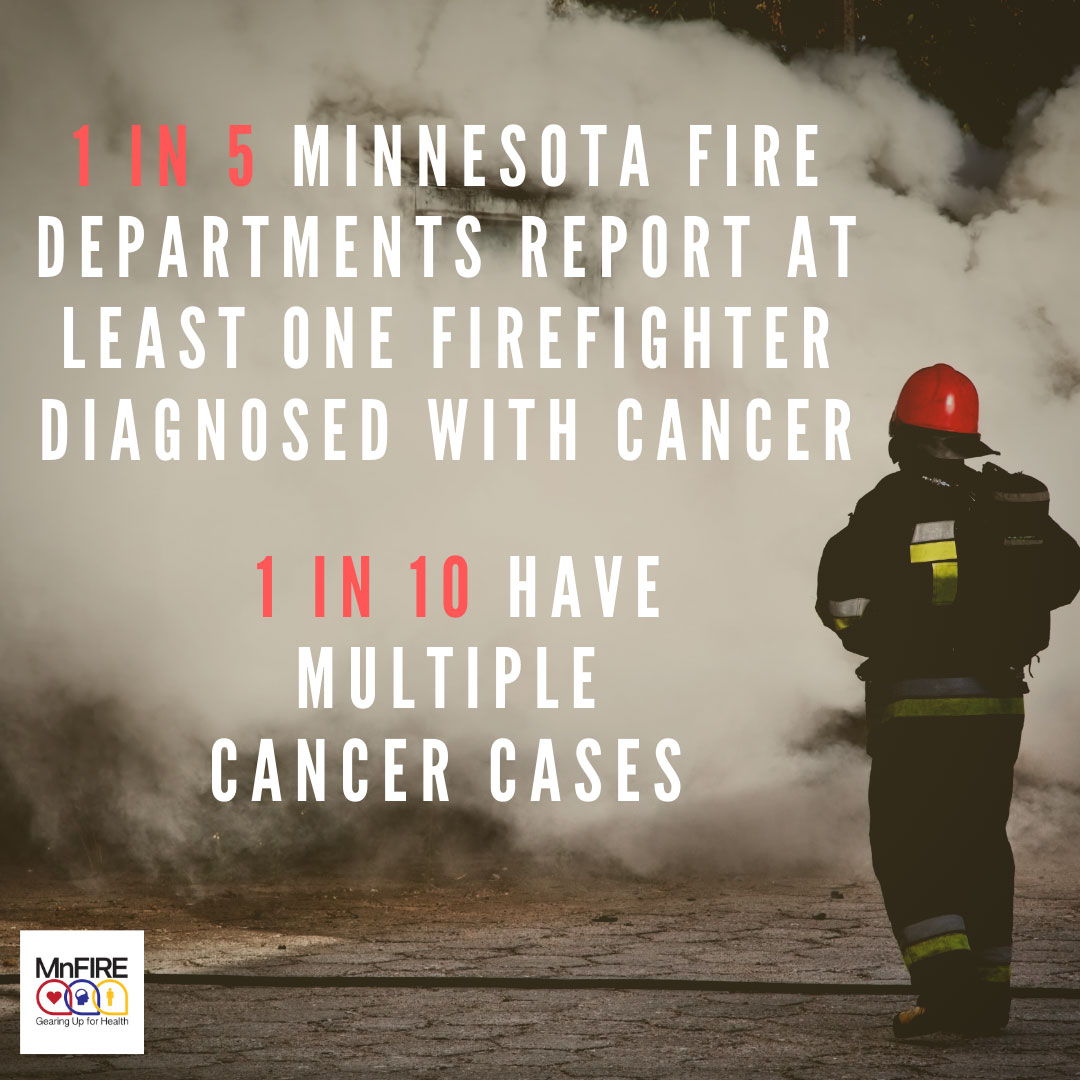
This tragic reality underscores the critical need for more Minnesota firefighters to be aware of their higher risks for cancer – and what they can do to help prevent it.
Why are firefighters at such increased risk for developing cancer?
- Building and homes contain synthetic and other harmful materials that create more smoke than natural materials – and they release polycyclic aromatic hydrocarbons (PAHs), many of which can cause cancer.
- Firefighters may also encounter other known carcinogens, like asbestos and diesel exhaust, when on the job.
- Carcinogens are both inhaled and absorbed through the skin. Even when wearing the proper gear, carcinogens can still penetrate the gear and expose the skin.
There are some proven ways firefighters, with the support of their departments, can take to reduce the risk:
- Change clothes and wash them immediately after exposure to products of combustion or other contaminates. Do this as soon as possible and/or isolate in a trash bag until washing is available.
- Shower as soon as possible after being exposed to products of combustion or other contaminates.
- PPE, especially turnout pants, must be prohibited in areas outside the apparatus floor (i.e. kitchen, sleeping areas, etc.) and never in the household.
- Fully document ALL fire or chemical exposures on incident reports and personal exposure reports.
- Get an annual physical, as early detection is the key to survival.